Childhood Trauma in Adults: How It Manifests Itself

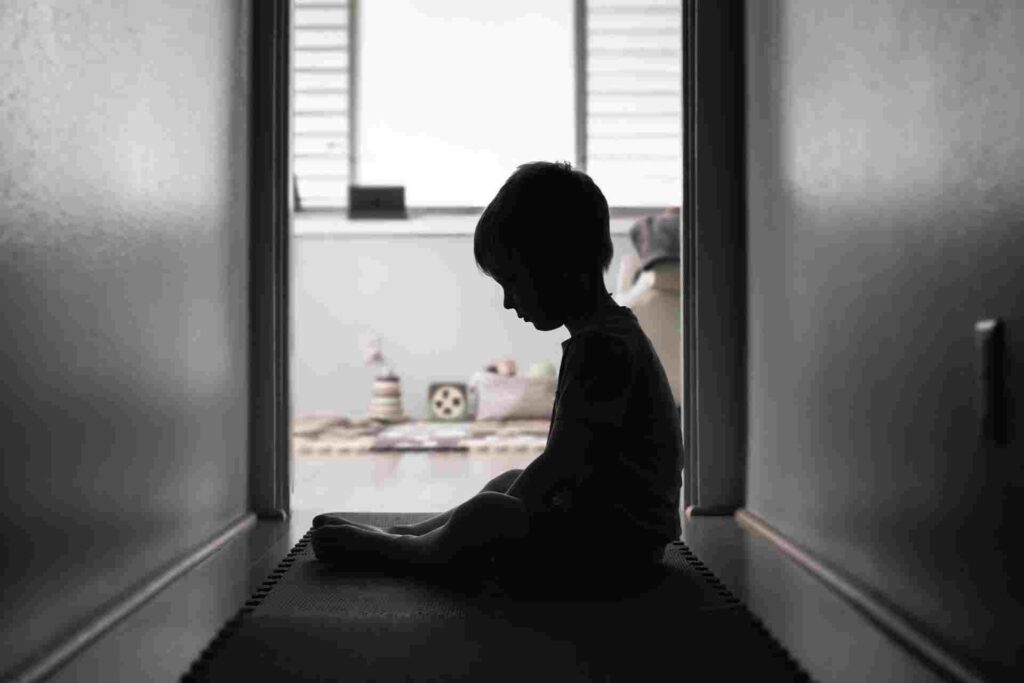
Childhood trauma can be planted and grown quietly inside the nervous system. It continues shaping how a person reacts, connects, protects themselves, or reads the world long after adolescent years have passed.
Adults might not realize that their anxiety, relationship struggles, or emotional shutdowns are linked to their childhood. They may simply believe these patterns are part of their personality.
Trauma responses are often mistaken for personality traits, but they are actually learned survival adaptations.
Let’s take a closer look at what childhood trauma can look like and how mental health treatment can help.
What Is Childhood Trauma?
Childhood trauma is an emotionally painful or threatening experience that overwhelms a child’s ability to feel safe, protected, or supported.
A trauma or PTSD diagnosis may stem from experiences like emotional or physical abuse, neglect, household instability, or growing up in a constant climate of fear.
How Childhood Trauma Shows Up in Adulthood
Childhood trauma can affect mood, the body, relationships, self-worth, and daily choices. These signs may be obvious, or they may appear as patterns someone has carried for so long they feel automatic.
Emotional and Psychological Signs of Childhood Trauma
Childhood trauma in adults may show up as:
- Anxiety, panic, or constant worry
- Depression, numbness, or emotional heaviness
- Shame, guilt, or harsh self-talk
- Feeling easily overwhelmed
- Anger that feels hard to control
- Fear of being abandoned, rejected, or misunderstood
- Difficulty trusting calm or safe moments
- Feeling disconnected from yourself or your needs
Physical and Nervous System Signs
Trauma also lives in the body. When a child grows up in fear or instability, the nervous system may learn to stay alert as part of normal functioning.
Physical signs may include:
- Muscle tension, headaches, or stomach discomfort
- Trouble sleeping or feeling rested
- Fatigue, even after enough sleep
- Feeling jumpy, restless, or on edge
- Shutting down during stress
- Racing heart, shallow breathing, or chest tightness
- Sensitivity to conflict, tone, or sudden changes
Relational and Behavioral Patterns
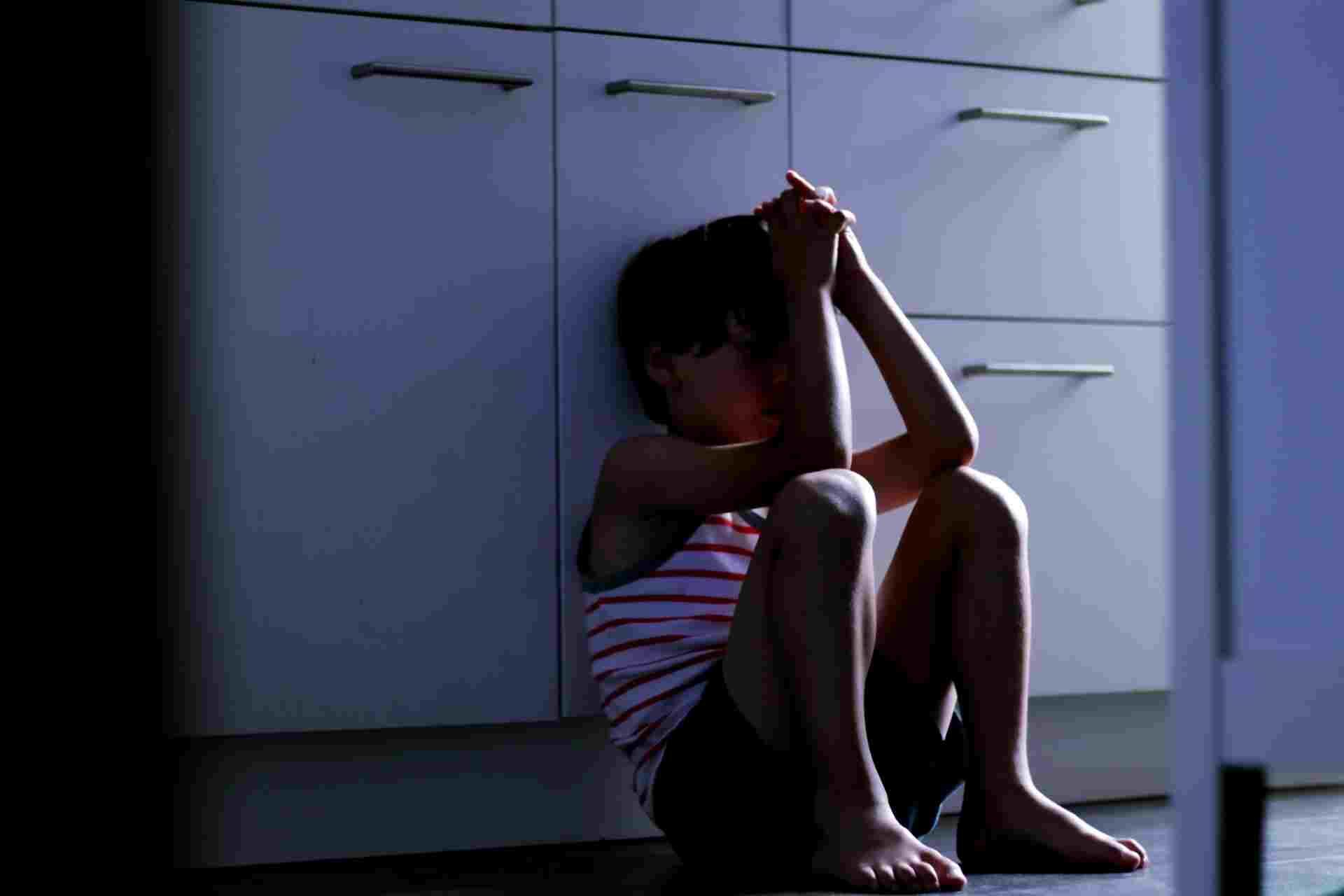
Childhood trauma often affects how people connect with others. Some adults become highly independent because needing others once felt unsafe. Others become people-pleasers because keeping peace once felt necessary.
Common patterns include difficulty setting boundaries, fear of conflict, overexplaining, apologizing often, choosing unsafe relationships, avoiding closeness, craving reassurance, or using substances, food, work, isolation, or trying to control surroundings to manage emotions.
Why Childhood Trauma Can Take Years to Surface
Childhood trauma can take years to surface because children survive by adapting. They may learn to stay quiet, read the room, perform well, stay busy, avoid needs, disconnect from feelings, or become the “easy” child.
Those coping skills may seem to help in childhood. In adulthood, they can become painful. The person who learned to avoid conflict may struggle to speak up. The person who learned to stay hyper-aware may feel anxious in ordinary moments. The person who learned not to need anyone may feel lonely but unable to trust closeness.
As someone begins to look within and explore their sense of self they may realize that who they see in the mirror is not them, but the face of someone built from fear and survival. This is a sign that change is possible with support.
Is This Trauma, or Something Else?
Childhood trauma can look like anxiety, depression, PTSD, substance use, relationship problems, anger, low self-worth, or burnout. It can also overlap with other mental health conditions.
A person does not need to diagnose themselves to deserve care. A trauma-informed assessment can help clarify what is happening and what kind of support may fit.
Healing From Childhood Trauma as an Adult
Healing from childhood trauma does not mean that someone has to pretend the past was fine. It means learning that the past does not have to keep leading the body, mind, and relationships.
Recovery may involve building safety, learning emotional regulation, practicing boundaries, reconnecting with the body, and developing healthier ways to respond to triggers. Healing can be slow, but slow is not stuck. In many traditions, healing begins simply with noticing what is here without judgment.
How Therapy Can Help
Mental health treatment often helps adults understand how childhood trauma shaped their nervous system, beliefs, behaviors, and relationships. Care may include individual therapy, group therapy, trauma-informed therapy, EMDR, CBT, DBT skills, or medication support.
When participating in a therapeutic relationship the focus is on creating more choice, more steadiness, and more space between the old wound and how to be present with a new response.
Frequently Asked Questions
Can childhood trauma affect you decades later?
Yes. Childhood trauma often affects adults decades later because early experiences help shape the nervous system, stress response, attachment, and beliefs about safety. People are often unaware of this because they’ve adapted the best they can, and this is the only way they’ve ever lived. Trauma symptoms may surface during relationships, parenting, sobriety, major transitions, or stress.
What are the signs of unresolved childhood trauma in adults?
Signs may include anxiety, depression, emotional numbness, people-pleasing, anger, shame, trouble trusting others, avoidance, or drug and alcohol use, among others.
Is childhood trauma the same as PTSD?
Not always. Childhood trauma is the experience or environment that caused harm. PTSD is a diagnosis that may develop after trauma. Some adults may have PTSD, complex trauma symptoms, anxiety, depression, or substance use concerns.
Can adults fully heal from childhood trauma?
Yes, adults can heal in meaningful ways with the right help. The past may not disappear, but the body can use the information from the past to develop a more clear sense of self, today. With focused commitment to practice old patterns can lose their power.
Find Support for Childhood Trauma at The Living Room
Childhood trauma can make adulthood feel harder than it should. But what was learned in survival can also be gently unlearned in safety.
The Living Room at Princeton helps people work through trauma, addiction, mental health concerns, and patterns that began long before adulthood. Through compassionate care and community support, healing can begin one step at a time. We invite you to contact us anytime for more information.
Sources:
- Trauma and Violence: What Is Trauma and Its Effects? – SAMHSA
- About Adverse Childhood Experiences – CDC
- Complex Trauma – National Child Traumatic Stress Network
Bridging Treatment and Coverage: Navigate Insurance with Ease
At The Living Room, we recognize that the path to recovery is both a personal and financial journey. We’re deeply committed to guiding you through the process of securing the right coverage for your treatment needs. Our goal is to ensure that financial considerations don’t stand in the way of your well-being. Let us assist you with information, clarity and trusted referrals to make your insurance journey as seamless as your road to recovery.