How To Tell if Shortness of Breath Is Anxiety
Anxiety can cause shortness of breath, chest tightness, or a feeling like you can’t take a full breath. Still, breathing trouble can also point to a serious medical condition. If you have new, severe, or unexplained symptoms, you should have them checked by a healthcare provider or emergency services.
The Living Room at Princeton, a mental health program in NJ, can help you understand the connection between anxiety and physical symptoms while finding calmer ground again.
Can Anxiety Cause Shortness of Breath?
Yes, anxiety can cause shortness of breath. Your body’s response to stress often changes your breathing pattern during moments of anxiety or panic, even when there’s no physical danger present.
Breath tends to move differently under stress. It gets shorter and shallower, sits higher in your chest, or feels harder to control. For some people, this shift happens gradually as worry builds. For others, it arrives suddenly during a panic attack.
How the Fight-or-Flight Response in Anxiety Affects Breathing
Anxiety can trigger the body’s fight-or-flight response that prepares you to face danger, even when the danger is only in your mind. Your heart rate speeds up, your muscles tighten, and your breathing quickens to send more oxygen through your body.
This response can leave you breathing faster than you need to, which sometimes leads to a lightheaded or breathless feeling. Your body is simply reacting the way it was built to react to what it thinks is danger.
What Does Anxiety-Related Shortness of Breath Feel Like?
Anxiety-related breathing changes can feel different for everyone, but some patterns show up often.
Common symptoms include:
- A tight or constricted feeling in your chest
- Breath that feels shallow, even when you try to breathe deeply
- A sense that you can’t get enough air, even without physical exertion
- Breathing that speeds up along with a racing heart
- Symptoms that ease once your anxious feelings start to settle
Is my Shortness of Breath Anxiety or Something Else?
There’s no way to know where shortness of breath comes from without a formal diagnosis. Assessing your own anxiety symptoms can be a good place to start though. Anxiety-related breathlessness often comes with other symptoms, like a racing heart, sweating, or a sense of dread, and it tends to ease as anxiety calms down.
Breathing trouble tied to another medical condition may feel different. It might stick around, feel unrelated to your mood, or come with signs like a persistent cough, wheezing, or pain that doesn’t fade. Because the symptoms can overlap, only a healthcare provider can determine the cause.
When is Shortness of Breath Considered a Medical Emergency?
Seek emergency care right away if shortness of breath comes with chest pain or pressure, a bluish tint to your lips or face or fainting. These signs may point to a serious medical situation that needs immediate care.
New or unexplained breathing trouble also deserves prompt medical attention, even without those additional signs. Anxiety is a common cause of breathlessness, but it should never be the automatic explanation for a symptom this important.
What Can Help During Anxiety-Related Shortness of Breath?
Once a medical cause has been ruled out, several tools can help ease anxiety-related breathing symptoms in the moment.
Grounding and Relaxation Techniques
Grounding techniques invite your attention back to the present moment instead of the anxious thought spiral. Try naming five things you see, four you can touch, three you hear, two you smell, and one you taste. This practice often helps signal to your nervous system that you’re safe right now.
Breathing Exercises That May Help
Slow, controlled breathing can help calm a racing nervous system. Try inhaling for four counts, holding briefly, and exhaling for six. A longer exhale, in particular, tends to activate your body’s natural calming response.
Reducing Anxiety Triggers Over Time
Identifying patterns in your anxiety can help reduce how often breathlessness shows up. Notice what tends to come before an anxious episode, whether that’s a certain situation, thought pattern, or lack of sleep, and build small changes around those patterns over time.
How Is Anxiety Treated?
Coping skills can offer short-term relief, but ongoing anxiety often benefits from evidence-based treatment. Working with a professional gives you tools that go beyond managing symptoms in the moment.
Cognitive Behavioral Therapy (CBT)
Cognitive Behavioral Therapy (CBT) helps you notice anxious thought patterns and learn healthier ways to respond to anxious thoughts before they affect your body. Many people find that this approach reduces both the frequency and intensity of anxious episodes over time.
Medication Management
For some people, medication can support anxiety treatment. A healthcare provider can help determine whether this option fits your specific situation.
Lifestyle Habits That Support Mental Wellness
Regular movement, consistent sleep, and mindfulness practices can all help regulate an anxious nervous system. These habits won’t replace treatment, but they often support the progress you make in therapy.
When Should You Seek Professional Help for Anxiety?
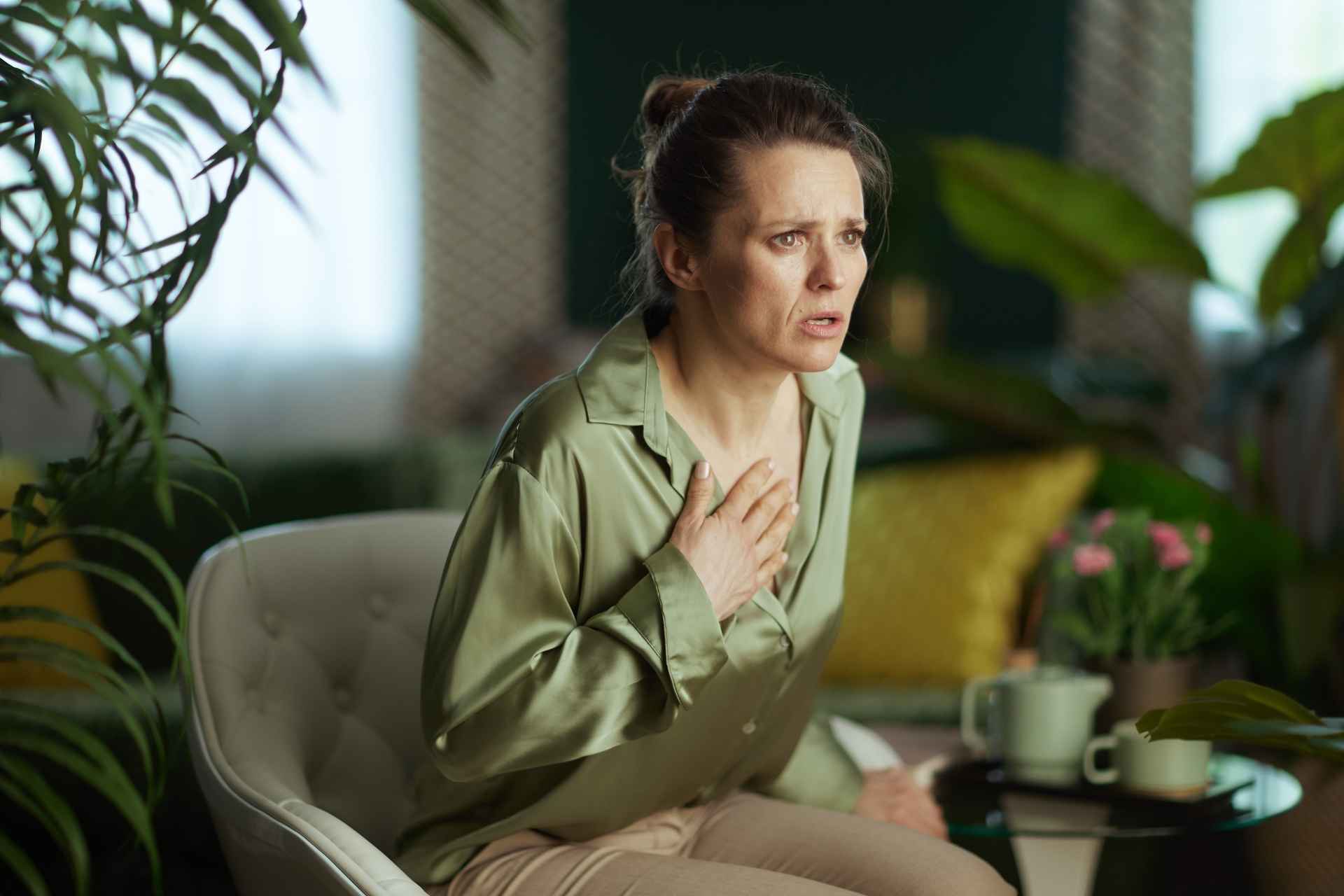
You should seek professional help for anxiety when it starts affecting your sleep, relationships, work, or physical health, or when it no longer responds to your own coping efforts. If you experience breathing changes that show up often or feel hard to manage alone, bring them to a professional’s attention.
Find Anxiety Treatment at The Living Room
We understand that anxiety lives in the body just as much as the mind. Our Adult Outpatient Program blends evidence-based therapy with a steady, grounded approach to healing, honoring both what your mind is carrying and what your body is holding onto.
Reach out to our team to begin finding your breath again.
Frequently Asked Questions About Anxiety and Shortness of Breath
How long can shortness of breath from anxiety last?
Anxiety-related shortness of breath often lasts only as long as the anxious episode itself, sometimes resolving within minutes as your body settles back down. For some people, especially during ongoing stress, symptoms may linger longer.
Can anxiety make you feel like you can’t get enough air?
Yes, anxiety can create a real sensation of not getting enough air, even when your oxygen levels are normal. This feeling often comes from rapid, shallow breathing tied to your body’s stress response.
Should I go to the emergency room for anxiety-related shortness of breath?
If your shortness of breath comes with chest pain, fainting, or a bluish tint to your lips or face, seek emergency care right away. When you’re unsure whether a symptom is anxiety-related or medical, it’s always safer to get it checked.
SOURCES:
- Anxiety Disorders – NIMH
- Panic Attacks and Panic Disorder – MedlinePlus (NIH)
Bridging Treatment and Coverage: Navigate Insurance with Ease
At The Living Room, we recognize that the path to recovery is both a personal and financial journey. We’re deeply committed to guiding you through the process of securing the right coverage for your treatment needs. Our goal is to ensure that financial considerations don’t stand in the way of your well-being. Let us assist you with information, clarity and trusted referrals to make your insurance journey as seamless as your road to recovery.