Can Anxiety Cause Chest Pain?

The short answer is yes, anxiety can absolutely cause real, physical chest pain. Understanding why it happens, how to tell it apart from a cardiac event, and when to seek mental health treatment can help you respond with clarity instead of panic the next time it occurs.
Understanding Chest Pain Caused By Anxiety
Anxiety triggers your body’s fight-or-flight response, flooding your system with stress hormones like adrenaline and cortisol. This response causes real physiological changes: your heart rate increases, your muscles tense, and your breathing becomes fast and shallow.
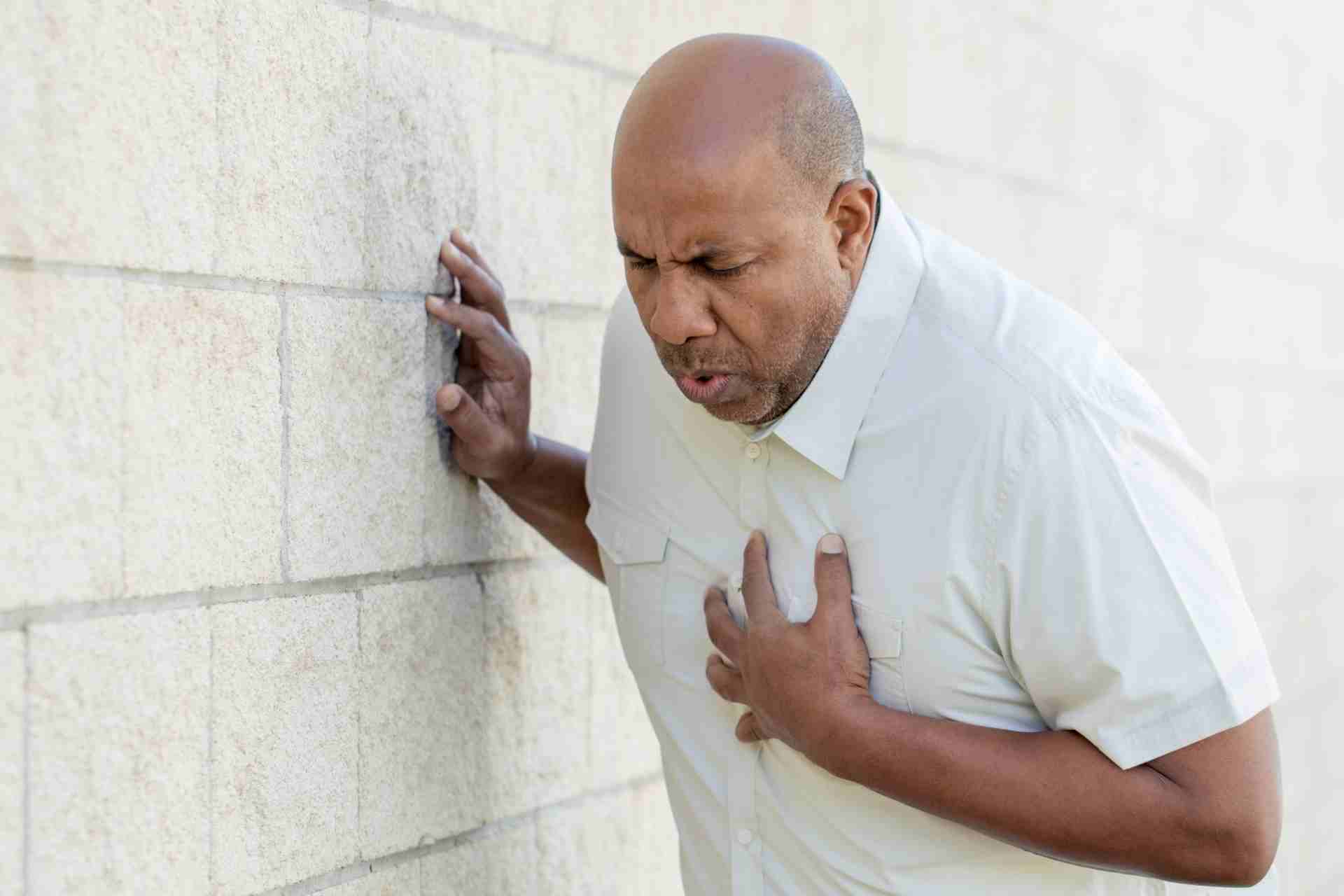
The combination of a racing heart, tightened chest muscles, and hyperventilation can produce chest pain that feels sharp, tight, or like pressure, often in the center or left side of the chest.
This isn’t “imagined” pain. The muscle tension and rapid breathing anxiety produces are physical processes with real physical consequences.
What Anxiety-Related Chest Pain Feels Like
Anxiety-related chest pain commonly includes:
- A sharp, stabbing sensation that comes and goes
- Tightness or pressure that builds gradually during a stressful moment
- Pain that worsens with rapid or shallow breathing
- Tension that’s also felt in the shoulders, neck, or jaw
- Pain that eases as anxiety symptoms calm down
It often appears alongside other anxiety symptoms, such as a racing heart, dizziness, sweating, or a feeling of impending doom, particularly during a panic attack.
How It Differs From Cardiac Chest Pain
While anxiety-related chest pain can feel frightening, there are some general patterns that differ from a heart attack. Cardiac chest pain is more often described as crushing or squeezing, frequently radiates down the left arm or up into the jaw, and tends to worsen with physical exertion rather than easing with rest. It’s also more likely to come with shortness of breath that doesn’t improve and pain that persists or intensifies over time, rather than rising and falling with anxiety symptoms.
That said, these patterns aren’t a reliable way to self-diagnose. Anxiety and cardiac symptoms can overlap, and panic attacks themselves can sometimes accompany or mask genuine cardiac events.
When to Seek Emergency Care for Chest Pain
Chest pain should always be evaluated by a medical professional, especially the first time it happens or if you have risk factors for heart disease.
Seek emergency care immediately if chest pain is accompanied by any of the following:
- Pain that spreads to the arm, jaw, neck, or back
- Severe shortness of breath
- Cold sweats, nausea, or lightheadedness
- Pain that doesn’t ease with rest or breathing techniques
- A history of heart disease or risk factors like high blood pressure
It’s always safer to be evaluated and find out it’s anxiety than to assume it’s anxiety and be wrong.
Why Anxiety Causes These Physical Symptoms
Anxiety isn’t purely a mental experience. It activates the autonomic nervous system, the same system responsible for heart rate, breathing, and muscle tension.
When that system is repeatedly triggered, whether by chronic stress, panic disorder, or generalized anxiety, it can produce a wide range of physical symptoms, including chest pain, gastrointestinal issues, headaches, and muscle aches.
This mind-body connection is well documented, and it’s part of why effective treatment for anxiety often addresses both psychological patterns and the body’s physical stress response.
Managing and Treating Anxiety-Related Chest Pain
Once a medical cause has been ruled out, anxiety-related chest pain is typically addressed by treating the underlying anxiety itself.
Approaches that can help include breathing techniques to calm the body’s stress response, therapy methods like CBT to address anxious thought patterns, and identifying and managing the sources of chronic stress contributing to symptoms.
For anxiety that’s frequent, severe, or affecting daily life, treatment can make a meaningful difference.
Frequently Asked Questions About Anxiety and Chest Pain
1. Can anxiety chest pain last for hours?
Yes, anxiety-related chest pain can linger for a while, especially with prolonged stress or generalized anxiety, though it often fluctuates rather than staying constant.
2. Should I go to the ER if I think it’s anxiety-related chest pain?
If it’s your first time experiencing chest pain, or you’re unsure of the cause, it’s safest to seek medical evaluation rather than assume it’s anxiety.
3. Can anxiety-related chest pain come back repeatedly?
Yes, if anxiety is ongoing or untreated, chest pain can recur during periods of stress or panic until the underlying anxiety is addressed.
Treatment for Anxiety Disorders in Princeton, NJ
If anxiety is showing up in your body, including chest pain, you don’t have to manage it alone. You should never take any form of chest pain lightly. If anxiety is the cause, mental health treatment can help.
The Living Room at Princeton offers outpatient anxiety treatment for adults and adolescents, with therapy approaches designed to address both the mental and physical sides of anxiety.
Reach out to us to learn more about your options.
Sources:
- Chest pain in generalized anxiety disorder — National Library of Medicine
- Unexplained chest pain: When is it panic disorder? — National Library of Medicine
- Chest pain – Symptoms and causes — Mayo Clinic
Bridging Treatment and Coverage: Navigate Insurance with Ease
At The Living Room, we recognize that the path to recovery is both a personal and financial journey. We’re deeply committed to guiding you through the process of securing the right coverage for your treatment needs. Our goal is to ensure that financial considerations don’t stand in the way of your well-being. Let us assist you with information, clarity and trusted referrals to make your insurance journey as seamless as your road to recovery.